Introduction to Merzouga & the Sahara Desert
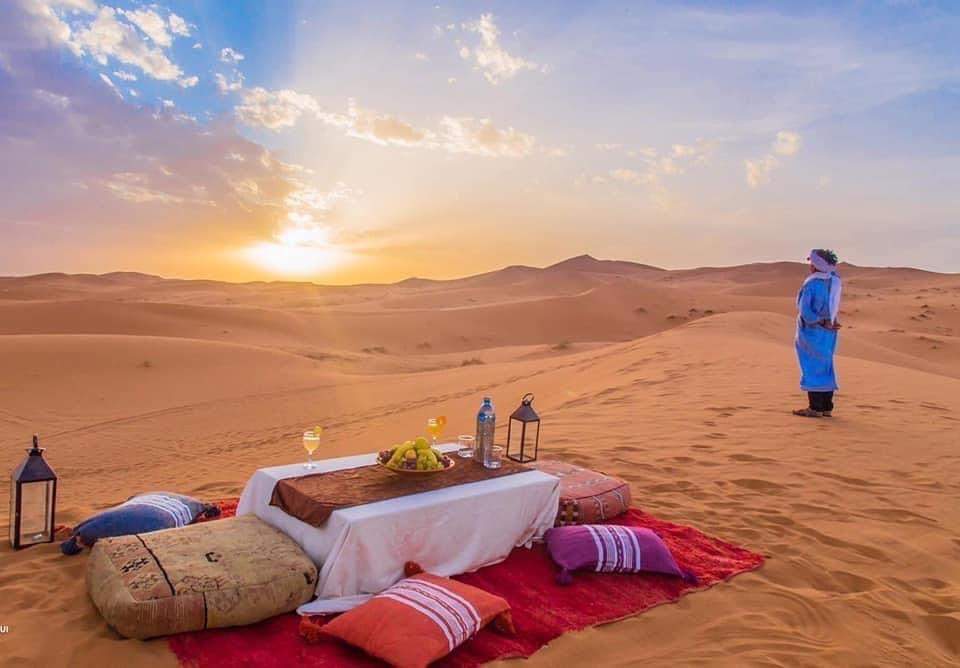
Embarking on Merzouga desert tours is one of the most magical experiences you can have in Morocco. Located on the edge of the vast Sahara Desert, Merzouga is a small village that serves as the gateway to the spectacular Erg Chebbi dunes—towering sand formations that reach heights of up to 150 meters and stretch for 28 kilometers along the Moroccan-Algerian border.
The journey from Marrakech to Merzouga is more than just a simple transfer; it’s an adventure through Morocco’s most stunning landscapes. As you travel approximately 560 kilometers southeast from the bustling imperial city, you’ll cross the High Atlas Mountains, pass through ancient kasbahs, wind through dramatic gorges, and eventually arrive at the golden sea of sand that defines the Sahara Desert Morocco experience.
Whether you’re seeking the thrill of Merzouga camel trekking across windswept dunes, hoping to witness unforgettable sunsets that paint the desert in shades of orange and pink, or eager to experience authentic Berber hospitality in a traditional desert camp, Merzouga offers an unforgettable escape from modern life. This comprehensive guide will help you plan your perfect desert adventure, covering everything from transportation options to itinerary suggestions and practical travel tips.
Why Visit Merzouga? (Erg Chebbi, Camel Trekking, Sunsets, Nomadic Culture)
The Majestic Erg Chebbi Dunes
The Erg Chebbi dunes are the crown jewel of Merzouga and one of Morocco’s most photographed natural wonders. These massive sand dunes create an otherworldly landscape that changes color throughout the day—from pale gold in the morning to deep amber at sunset. Unlike the rocky hammada (stone desert) that covers much of the Sahara, Erg Chebbi features the classic “sand sea” that many travelers envision when they think of desert landscapes.
The dunes offer incredible opportunities for adventure activities including sandboarding, quad biking, and photography. The ever-shifting sands create new patterns daily, sculpted by desert winds into graceful curves and sharp ridges that seem to go on forever.
Unforgettable Camel Trekking Experiences
No visit to Merzouga is complete without experiencing traditional camel trekking. As the sun begins its descent toward the horizon, you’ll mount your camel and journey into the heart of the dunes, just as nomadic traders have done for centuries. The gentle swaying motion of the camel and the profound silence of the desert create a meditative experience unlike anything else.
Most desert tours include sunset camel treks that last 1-2 hours, culminating at your desert camp where you’ll spend the night under star-filled skies. For those seeking more extensive experiences, multi-day camel expeditions deeper into the Sahara are also available.
Spectacular Desert Sunsets and Sunrises
The Sahara Desert offers some of the world’s most breathtaking sunsets and sunrises. Watching the sun dip below the endless dunes while casting dramatic shadows and painting the sky in brilliant hues of red, orange, and purple is a moment that stays with travelers forever. Equally impressive are the desert sunrises, when the first rays of light illuminate the dunes and bring warmth after the surprisingly cool desert night.
Authentic Nomadic and Berber Culture
Merzouga provides genuine opportunities to connect with Morocco’s nomadic heritage. Many desert camps are operated by local Berber families who share their traditions through music, storytelling, and hospitality. You’ll enjoy traditional Moroccan meals prepared in the desert, listen to rhythmic Berber drumming around the campfire, and learn about the ancient lifestyle that has sustained communities in this harsh environment for millennia.
Some tours also offer visits to nearby nomadic families who still maintain traditional lifestyles, providing insight into how people have adapted to desert living across generations.
How to Travel from Marrakech to Merzouga
Planning your transportation from Marrakech to Merzouga is a crucial step in organizing your desert adventure. The journey covers approximately 560 kilometers and typically takes 9-10 hours of driving time, though most travelers break this into a multi-day trip with stops at key attractions. Here are your main transportation options:
By Private Tour
Private tours offer the most comfortable and flexible way to reach Merzouga from Marrakech. With a private vehicle and driver-guide, you control the pace of your journey and can customize stops along the route.
Advantages:
- Complete flexibility with departure times and itinerary
- Ability to make spontaneous stops for photos or attractions
- More comfortable vehicles (typically 4x4s or minivans)
- Personalized attention from your guide
- Ideal for families, couples, or small groups traveling together
Cost: Private tours typically range from $150-300 per person for a 3-day/2-night tour, depending on group size and luxury level. Prices decrease significantly with larger groups as you split the vehicle cost.
Booking tip: Private tours can be arranged through hotels, reputable tour operators, or online booking platforms. Book at least 2-4 weeks in advance during peak season (March-May, September-November).
By Shared Tour
Shared group tours are the most popular and budget-friendly option for Marrakech desert tours. You’ll travel in a minibus or larger vehicle with other travelers (typically 8-17 people) following a set itinerary.
Advantages:
- Most affordable option for solo travelers and couples
- Opportunity to meet fellow travelers
- Fixed departure dates ensure availability
- All logistics handled by the tour operator
- Generally includes accommodation, most meals, and activities
Cost: Shared tours typically cost $80-150 per person for a 3-day/2-night package, depending on camp quality and inclusions.
Considerations: Less flexibility with stops and timing, potential waiting for group members, and varying comfort levels depending on other travelers’ preferences.
By Rental Car
Adventurous travelers comfortable with long-distance driving can rent a car in Marrakech and drive independently to Merzouga. Morocco’s road infrastructure has improved significantly, making this a viable option.
Advantages:
- Maximum freedom to explore at your own pace
- Cost-effective for groups of 3-4 people
- Ability to visit off-the-beaten-path locations
- No dependence on tour schedules
Considerations:
- Long driving hours require alertness and experience
- Navigation can be challenging in remote areas
- Roads through the Atlas Mountains have hairpin turns and elevation changes
- Rental costs typically range from $30-80 per day plus fuel
- GPS or reliable navigation apps essential
- International driving permit recommended
Route: The primary route follows N9 through Tizi n’Tichka pass, then N10 to Ouarzazate, continuing on N10 through Skoura and Dades Valley, then joining N12 to Merzouga.
By Public Transport (Bus / Supratours)
Budget-conscious travelers can reach Merzouga using Morocco’s public bus system, though this option requires more time and multiple transfers.
Supratours is the most reliable bus company, operating modern, air-conditioned coaches with direct routes from Marrakech to Merzouga. The journey takes approximately 10-12 hours with rest stops.
Details:
- Departures: Typically one daily departure from Marrakech (usually evening)
- Cost: Approximately $20-25 one-way
- Journey includes overnight travel, arriving in Merzouga early morning
- Tickets can be booked online or at bus stations
- Luggage space is limited; travel light
CTM buses offer similar services, though schedules may require transfers in Ouarzazate or Tinghir.
Considerations: While budget-friendly, buses don’t allow stops at attractions like Ait Ben Haddou or Todra Gorge. Most travelers using buses arrange local tours from Merzouga to explore the desert rather than all-inclusive packages from Marrakech.
Best Marrakech to Merzouga Itinerary (2–4 Days)
The ideal Marrakech to Merzouga itinerary spans 3 days and 2 nights, allowing time to enjoy the journey’s highlights without feeling rushed. Here are detailed itinerary options:
3-Day / 2-Night Itinerary (Most Popular)
Day 1: Marrakech → Dades Valley (300km, approx. 6-7 hours driving)
- 7:30 AM: Depart Marrakech, crossing the High Atlas Mountains via the Tizi n’Tichka pass (2,260m elevation)
- 10:00 AM: Visit Ait Ben Haddou, UNESCO World Heritage ksar (fortified village) featured in films like Gladiator and Game of Thrones. Allow 1.5-2 hours to explore.
- 12:30 PM: Stop in Ouarzazate, known as the “Gateway to the Sahara” and Morocco’s film capital. Optional visit to Taourirt Kasbah or Atlas Film Studios.
- 2:00 PM: Lunch in Ouarzazate or continue to Skoura
- 4:00 PM: Drive through the Valley of Roses and reach Dades Valley
- 6:00 PM: Check into hotel/guesthouse in Dades Gorge, enjoy dinner with mountain views
Day 2: Dades Valley → Merzouga (260km, approx. 4-5 hours driving + camel trek)
- 8:00 AM: Breakfast and explore Dades Gorge’s dramatic rock formations
- 9:30 AM: Continue to Todra Gorge, walk through the spectacular 300-meter-high canyon walls
- 12:00 PM: Lunch in Tinghir or along the route
- 2:00 PM: Drive through the Ziz Valley with its lush palm groves and panoramic viewpoints
- 4:30 PM: Arrive in Merzouga, meet your camel caravan
- 5:00 PM: Begin sunset camel trek into Erg Chebbi dunes (1.5 hours)
- 6:30 PM: Arrive at desert camp, watch sunset from the dunes
- 8:00 PM: Traditional Moroccan dinner under stars
- 9:00 PM: Berber music around the campfire, stargazing
- Overnight in desert tent
Day 3: Merzouga → Marrakech (560km, approx. 9-10 hours)
- 5:30 AM: Wake for sunrise over the dunes (optional)
- 7:00 AM: Breakfast at camp, camel trek back to Merzouga
- 9:00 AM: Depart for Marrakech via the same route with photo stops
- 7:00-8:00 PM: Arrive in Marrakech
Note: Day 3 involves significant driving. Some travelers prefer to break this with an overnight stop in Ouarzazate or Ait Ben Haddou.
4-Day / 3-Night Itinerary (Recommended for Comfort)
This extended version allows for two nights in the desert and a more relaxed pace:
Days 1-2: Same as above Day 3: Full day in Merzouga exploring the desert region
- Morning visit to nomadic families
- Optional 4×4 excursion to Khamlia village (Gnawa music)
- Visit to seasonal Dayet Srji salt lake (attracts flamingos in wet season)
- Sunset at different dune locations
- Second night at desert camp or luxury desert hotel
Day 4: Return to Marrakech with stops
2-Day / 1-Night Express Itinerary (Limited)
While possible, this compressed itinerary is exhausting and not recommended:
- Day 1: Marrakech to Merzouga (9-10 hours driving) with few stops, evening camel trek
- Day 2: Sunrise, return journey to Marrakech (9-10 hours)
This option involves 18-20 hours of driving in two days with minimal time to enjoy attractions or rest properly.
Key Stops Along the Route
Ait Ben Haddou: This ancient fortified village is Morocco’s most famous ksar and an essential stop. Walk through narrow alleys, climb to the hilltop kasbah, and imagine life in this historic trading post.
Ouarzazate: Known for film production, this city offers kasbah visits and insights into Morocco’s cinema industry.
Skoura: Beautiful palm groves and well-preserved kasbahs including Kasbah Amridil.
Valley of Roses: Famous for Damascus rose cultivation; visit during May’s Rose Festival if possible.
Dades Gorge: Dramatic rock formations and winding roads through colorful geological layers.
Todra Gorge: Walk through the narrow canyon where sheer rock walls tower 300 meters above.
Ziz Valley: Spectacular viewpoint overlooking an immense palm oasis.
Best Time to Visit Merzouga
Choosing the best time to visit Merzouga significantly impacts your desert experience. Here’s a seasonal breakdown:
Spring (March to May) – Ideal
Spring offers the most comfortable weather conditions for desert exploration. Temperatures range from 20-28°C (68-82°F) during the day and 10-15°C (50-59°F) at night. The landscape shows hints of green after winter rains, and desert flowers occasionally bloom. This is peak tourist season, so book accommodations and tours in advance.
Advantages: Perfect temperatures, clear skies, comfortable for camel trekking and hiking Considerations: Higher prices, more tourists, advance booking essential
Fall (September to November) – Excellent
Autumn rivals spring as the best season for visiting. After the intense summer heat subsides, temperatures moderate to comfortable levels (22-30°C/72-86°F days, 12-18°C/54-64°F nights). September can still be quite warm, but October and November are ideal.
Advantages: Comfortable weather, post-summer shoulder season with good availability, harvest season in oases Considerations: October-November are popular, so book ahead
Winter (December to February) – Good for Some
Winter brings surprisingly cold conditions, especially at night. Daytime temperatures range from 15-20°C (59-68°F), while nights can drop to 0-5°C (32-41°F) or below. However, days are often sunny and pleasant for exploration.
Advantages: Fewer tourists, lower prices, clear skies, comfortable daytime temperatures for hiking Considerations: Very cold nights require warm sleeping bags, some camps may have limited heating, shorter days mean less exploration time
Summer (June to August) – Challenging
Summer in the Sahara is extremely hot, with daytime temperatures often exceeding 45°C (113°F). This is low season for good reason—the heat makes daytime activities uncomfortable and potentially dangerous.
Advantages: Lowest prices, fewest crowds, intense desert experience Considerations: Extreme heat limits activities to early morning and late evening, camel trekking is uncomfortable, requires significant water intake and sun protection
Recommendation: For the best overall experience, plan your Merzouga desert tours for March-May or September-November when weather conditions are optimal.
Types of Merzouga Desert Tours
Merzouga desert tours come in various formats to suit different preferences, budgets, and time constraints:
Standard vs. Luxury Tours
Standard Tours ($80-120 per person for 3 days/2 nights):
- Shared transportation in minibus or 4×4
- Basic desert camps with mattresses on the ground
- Simple but authentic Berber tents
- Shared bathroom facilities (often just outside the camp)
- Traditional Moroccan meals
- Basic camel trekking experience
- Perfect for budget travelers and backpackers seeking authentic experiences
Luxury Tours ($200-400+ per person for 3 days/2 nights):
- Private transportation in comfortable 4×4 vehicles
- Luxury desert camps with proper beds and bedding
- Private ensuite bathrooms in tent accommodations
- Spacious tents with decorative interiors
- Gourmet Moroccan cuisine
- Additional activities included (quad biking, sandboarding)
- Higher-quality camels and expert guides
- Sometimes includes stays at luxury kasbahs en route
- Ideal for honeymooners, couples, and those prioritizing comfort
1-Night vs. 2-Night Packages
1-Night Packages: Most common for travelers on the standard 3-day Marrakech to Merzouga route. Includes one sunset camel trek, overnight at desert camp, sunrise viewing, and return camel trek. While this provides the essential desert experience, it feels rushed.
2-Night Packages: Allows for a full day exploring the Merzouga region, visiting nomadic families, the Khamlia village, taking 4×4 excursions to different areas of Erg Chebbi, and experiencing two different sunset locations. This option provides a much more comprehensive desert experience without the pressure of immediate departure.
Camel Trek vs. 4×4 Tours
Camel Trekking Tours: The traditional and most popular way to experience the Sahara. Sunset treks typically last 1-1.5 hours each way to reach desert camps. For those seeking adventure, multi-day camel expeditions lasting 2-5 days venture deeper into the desert.
Advantages: Authentic experience, slower pace allows desert appreciation, quiet and peaceful, minimal environmental impact Considerations: Uncomfortable for some (especially those with back problems), slower travel time, limited distance coverage
4×4 Desert Tours: Ideal for those unable to ride camels or wanting to cover more ground. Vehicles can access more remote dune areas and visit multiple locations in shorter time frames.
Advantages: Comfortable, faster, covers more terrain, accessible for all fitness levels, can carry more supplies Considerations: Less traditional experience, engine noise disrupts desert tranquility, higher environmental impact
Many tours combine both options—4×4 for daytime exploration and camel trekking for sunset/sunrise experiences.
Specialized Tours
Photography Tours: Designed for serious photographers with optimal timing for light conditions and access to the most photogenic locations.
Adventure Tours: Focus on activities like sandboarding, quad biking, and longer camel expeditions.
Cultural Tours: Emphasize interactions with nomadic families and Berber communities, traditional music performances, and cultural education.
Astronomical Tours: Capitalize on the Sahara’s dark skies for stargazing with telescopes and expert guidance.
What to Expect in Erg Chebbi Desert Camps
Understanding what awaits you at your desert camp helps set appropriate expectations and enhances your experience.
Accommodation
Desert camps range from very basic to surprisingly luxurious:
Standard Camps: Traditional Berber-style tents with colorful carpets, low tables, and mattresses with blankets. Tents typically sleep 2-4 people. Bathrooms are usually separate structures outside the sleeping area with basic Western or squat toilets and cold-water washing facilities.
Comfortable Camps: Similar tent structures but with better-quality bedding, proper beds (though still low to the ground), more decorative interiors, and shared bathroom facilities that may include showers.
Luxury Camps: Spacious tents with hotel-quality beds, private ensuite bathrooms with hot showers, proper toilets, sometimes air conditioning or heating, electricity for charging devices, and elegant Moroccan décor. Some luxury camps resemble boutique hotels set in the dunes.
Important note: Even in standard camps, you’ll have adequate blankets as desert nights get surprisingly cold, especially October-March.
Food
Expect authentic Moroccan cuisine prepared in the desert:
Dinner: Typically begins with Moroccan salad (cooked vegetable salads), followed by a tagine (slow-cooked meat or vegetable stew) or couscous, with fresh fruit for dessert. Meals are often communal, served family-style.
Breakfast: Traditional Moroccan breakfast includes fresh bread, jam, honey, butter, cheese, olives, and mint tea or coffee.
Dietary accommodations: Vegetarian options are standard; inform your tour operator of any dietary restrictions (vegan, allergies, religious requirements) when booking.
The food quality can be surprisingly good, with camp cooks creating flavorful dishes using portable kitchens and traditional cooking methods.
Activities
Most desert camps include or offer:
Included:
- Camel trekking to/from camp
- Sunset and/or sunrise viewing
- Traditional Berber music around the campfire
- Stargazing (the Sahara offers spectacular dark skies with minimal light pollution)
- Tea ceremony
Optional extras (sometimes included in luxury packages):
- Sandboarding down the dunes
- Quad biking excursions
- Extended camel treks
- 4×4 desert tours
- Visits to nomadic families
- Traditional henna painting
Evening entertainment: After dinner, camp staff typically perform traditional Berber music with drums, creating an atmospheric experience under the stars. Participation is welcome but optional.
Practical Considerations
Electricity: Standard camps often have no electricity except perhaps for lighting in common areas. Bring portable battery packs for devices. Luxury camps may have solar power for charging.
Water: Always provided, but bring your own water bottle for the journey. Camps provide water for drinking and washing.
Restrooms: In basic camps, expect simple facilities. Bring toilet paper, hand sanitizer, and wet wipes. Luxury camps have proper bathrooms.
Temperature: Be prepared for significant temperature swings—hot days and cold nights, especially in winter.
Wildlife: You may encounter desert creatures like beetles, geckos, or spiders. They’re generally harmless but shake out shoes and clothing before wearing.
Travel Tips for Merzouga Desert Tours
Maximize your desert adventure with these practical tips:
Before You Go
Booking: Reserve your tour 2-4 weeks ahead during peak season (March-May, September-November). Read reviews carefully and clarify what’s included in your package price.
Health: Ensure routine vaccinations are current. While no special vaccinations are required for Morocco, consult your doctor if you have health concerns. Bring any prescription medications with documentation.
Insurance: Travel insurance covering medical emergencies and trip cancellation is strongly recommended. Verify coverage extends to adventure activities like camel riding.
Currency: Bring Moroccan dirhams (MAD) in cash—ATMs are limited in Merzouga and non-existent in the desert. Credit cards are rarely accepted outside hotels.
During Your Tour
Hydration: Drink water constantly, even if you don’t feel thirsty. Desert conditions cause rapid dehydration. Aim for 3-4 liters daily.
Sun protection: The Saharan sun is intense. Apply high-SPF sunscreen every 2 hours, wear sunglasses with UV protection, and keep covered during peak sun hours.
Camel riding: Mount and dismount carefully following guide instructions. Sit back in the saddle, hold the handle, and relax with the camel’s motion. Inform guides of any discomfort immediately.
Photography: The desert offers incredible photo opportunities. Golden hour (sunrise and sunset) provides the best light. Protect camera equipment from sand by keeping it in sealed bags when not in use.
Respect local culture: Dress modestly (covering shoulders and knees), ask permission before photographing people, and respect prayer times. Remove shoes when entering tents.
Tipping: Tips are customary for drivers, guides, and camp staff. Budget approximately $5-10 per day for guide/driver, $3-5 for camp staff, divided among your group.
Environmental Responsibility
Leave no trace: Pack out all trash, including tissues and cigarette butts. The desert ecosystem is fragile.
Water conservation: Use water sparingly in this arid environment.
Wildlife respect: Observe desert animals from a distance without disturbing them.
Support local: Purchase from local artisans and cooperatives rather than imported souvenirs.
What to Pack for the Sahara
Proper packing makes your desert experience comfortable and safe:
Essential Clothing
Layers for temperature variation:
- Lightweight long pants (protects from sun and sand)
- Long-sleeve breathable shirts
- Warm fleece or jacket for cold nights (essential October-March)
- Comfortable walking shoes with good grip
- Sandals for relaxing at camp
- Warm socks for cold nights
- Scarf or shemagh (traditional desert headscarf—extremely versatile for sun/dust/cold protection)
What to avoid: Shorts and tank tops (culturally inappropriate and poor sun protection), open-toed shoes during camel treks, and cotton clothing that doesn’t dry quickly.
Protection Items
- High-SPF sunscreen (SPF 50+)
- Lip balm with SPF
- Sunglasses with UV protection
- Wide-brimmed hat or cap
- Moisturizer for dry desert air
- Wet wipes and hand sanitizer
- Small first-aid kit
- Insect repellent
Practical Gear
- Headlamp or flashlight (camps have limited lighting)
- Portable battery pack for charging devices
- Camera with extra batteries and memory cards
- Ziplock bags to protect electronics from sand
- Reusable water bottle
- Small daypack for personal items during camel trek
- Toilet paper and tissues
- Sleeping bag liner (optional but adds warmth in winter)
Optional Items
- Star chart app for stargazing
- Binoculars
- Book or e-reader for downtime
- Journal for recording experiences
- Musical instrument (for campfire participation)
Packing philosophy: Pack light but prepare for extreme conditions. Many items like scarves can be purchased locally in Marrakech or Merzouga.
FAQs About Merzouga Desert Tours
How far is Merzouga from Marrakech? Merzouga is approximately 560 kilometers (348 miles) southeast of Marrakech. The drive typically takes 9-10 hours without stops, which is why most tours spread the journey over multiple days with overnight stays.
Is the drive from Marrakech to Merzouga safe? Yes, the route is generally safe and well-traveled. Roads have improved significantly in recent years, though the Tizi n’Tichka mountain pass requires careful driving. Traveling with experienced drivers through organized tours is safest, especially for first-time visitors.
Can I visit Merzouga as a day trip from Marrakech? Theoretically yes, but absolutely not recommended. The distance requires 18-20 hours of driving round-trip, leaving no time to actually experience the desert. Minimum recommended stay is 2 nights (3-day tour).
Do I need to book desert tours in advance? During peak season (March-May, September-November), advance booking 2-4 weeks ahead is strongly recommended for better selection and prices. Off-season offers more flexibility, though popular luxury camps still fill up.
Are Merzouga desert tours suitable for families with children? Yes, many families enjoy desert tours. Children generally love camel riding and sleeping under stars. Inform tour operators of children’s ages when booking to ensure appropriate arrangements. Private tours offer more flexibility for families.
Is camel trekking difficult or painful? Most people find camel trekking comfortable once adjusted to the motion. The rides are slow-paced, and saddles have handles and cushioning. Those with back or mobility issues can request 4×4 transport to camps instead.
What if I’m traveling solo? Solo travelers can easily join shared group tours, which is budget-friendly and offers opportunities to meet fellow travelers. Single room supplements may apply for private accommodation.
Can I see the Milky Way from the Sahara? Absolutely! The Sahara offers some of the world’s darkest skies with minimal light pollution. The Milky Way is visible to the naked eye on clear nights, and shooting stars are common. New moon periods offer the best stargazing.
Is it really cold at night in the Sahara? Yes, especially October-March. Desert nights can drop to near freezing in winter. Camps provide adequate blankets, but bring warm layers. Summer nights are comfortably warm.
Can I charge my phone in the desert? Standard camps typically have no electricity. Bring a fully charged portable battery pack. Luxury camps often have solar power for charging. The Merzouga village has electricity before you enter the dunes.
Ready to Experience the Magic of Merzouga?
Embarking on Merzouga desert tours from Marrakech offers one of Morocco’s most unforgettable travel experiences. Whether you choose a budget-friendly shared tour or a luxurious private expedition, the journey through the Atlas Mountains and the time spent beneath star-filled Saharan skies will create memories that last a lifetime.
The combination of dramatic landscapes, authentic cultural encounters, and the profound tranquility of the desert makes this journey much more than a simple vacation—it’s a transformative experience that connects you with Morocco’s natural beauty and ancient traditions.
Start planning your Marrakech to Merzouga adventure today. Research tour operators, compare itineraries, pack appropriately for the season, and prepare for an extraordinary journey into the heart of the Sahara Desert Morocco. The golden dunes of Erg Chebbi await, promising sunsets that paint the sky in impossible colors and nights filled with stars beyond counting.
The desert is calling—will you answer?