
Imilchil Lakes & Marriage Festival: Explore the Heart of the Atlas Mountains (19–21 September)
Travel to Imilchil, Morocco • Cultural Tours • Ait Hdidou Villages • High Atlas Adventure
Hidden deep in Morocco’s High Atlas Mountains, the village of Imilchil is a place of breathtaking beauty,
ancient traditions, and one of the most unique cultural celebrations in North Africa:
the Imilchil Marriage Festival, held every year between 19 and 21 September.
Surrounded by dramatic mountains, stone villages, and two legendary alpine lakes —
Tislit (the Bride’s Lake) and Isli (the Groom’s Lake) — Imilchil offers travelers
a journey into living Amazigh (Berber) heritage.
Our travel company provides authentic cultural tours to Imilchil and the Ait Hdidou communities,
offering deep immersion into local traditions, mountain life, and the festival’s rich history.
⭐ Why Visit Imilchil?
- Experience Morocco’s most authentic Berber festival.
- Discover two legendary lakes born from the story of forbidden lovers.
- Explore remote Ait Hdidou villages in the High Atlas.
- Enjoy dramatic landscapes: high-altitude plateaus, canyons, and mountains.
- Meet nomadic families and learn about Amazigh traditions.
- Perfect destination for photography, culture, and slow travel.
1. The Legend of Tislit and Isli Lakes
The Heartbreaking Love Story That Shaped Imilchil
At 2,200 meters above sea level, Imilchil is home to two magical lakes tied to an ancient Amazigh tale.
According to legend:
- Tislit (the Bride) and Isli (the Groom) were lovers from two rival Ait Hdidou tribes.
- Forbidden from marrying, they mourned deeply.
- Their tears created the two lakes that now lie about 8 km apart.
Because of this story, Imilchil became a symbol of love, reconciliation, and union, inspiring the annual festival
where couples can meet and marry.
2. Lake Tislit – The Bride’s Lake
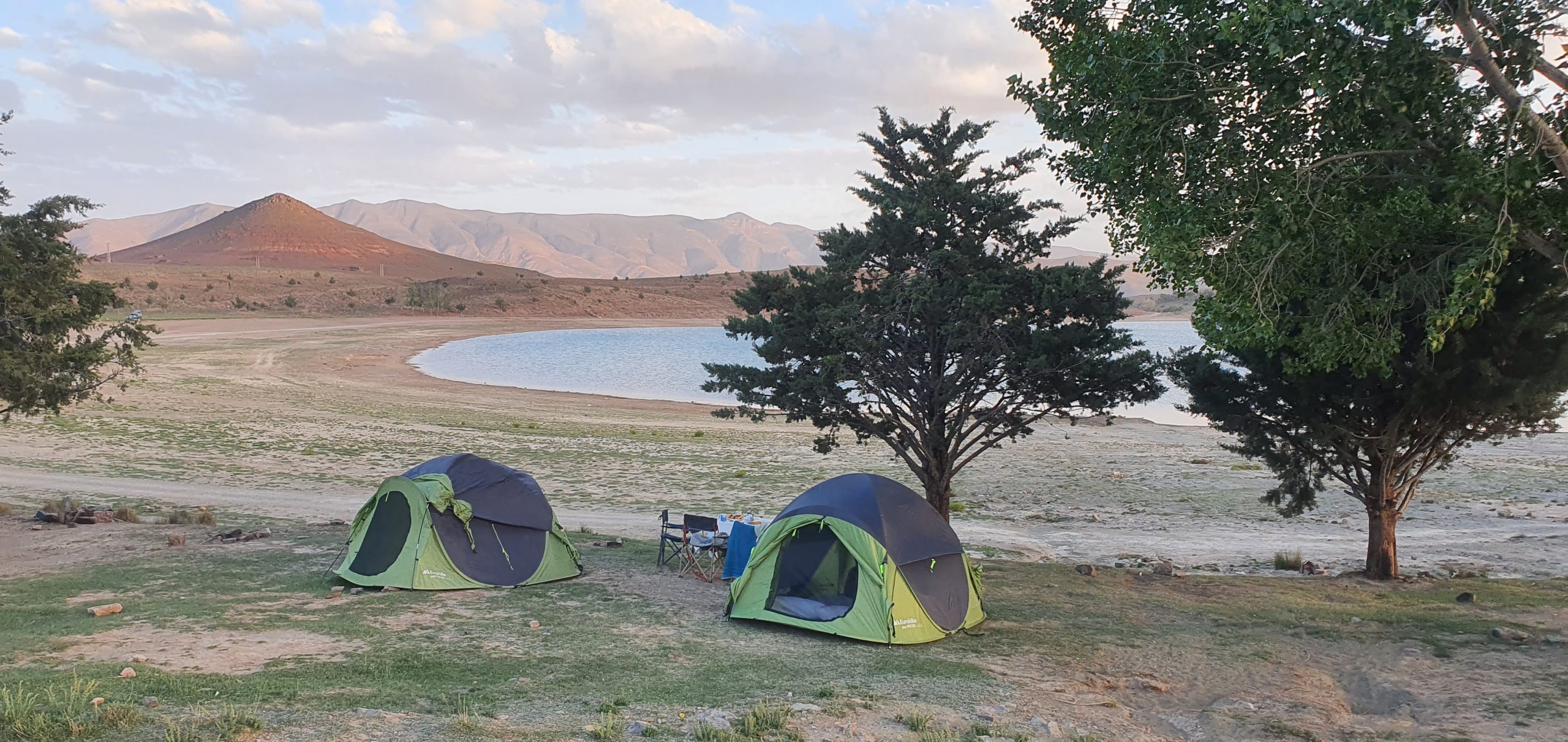
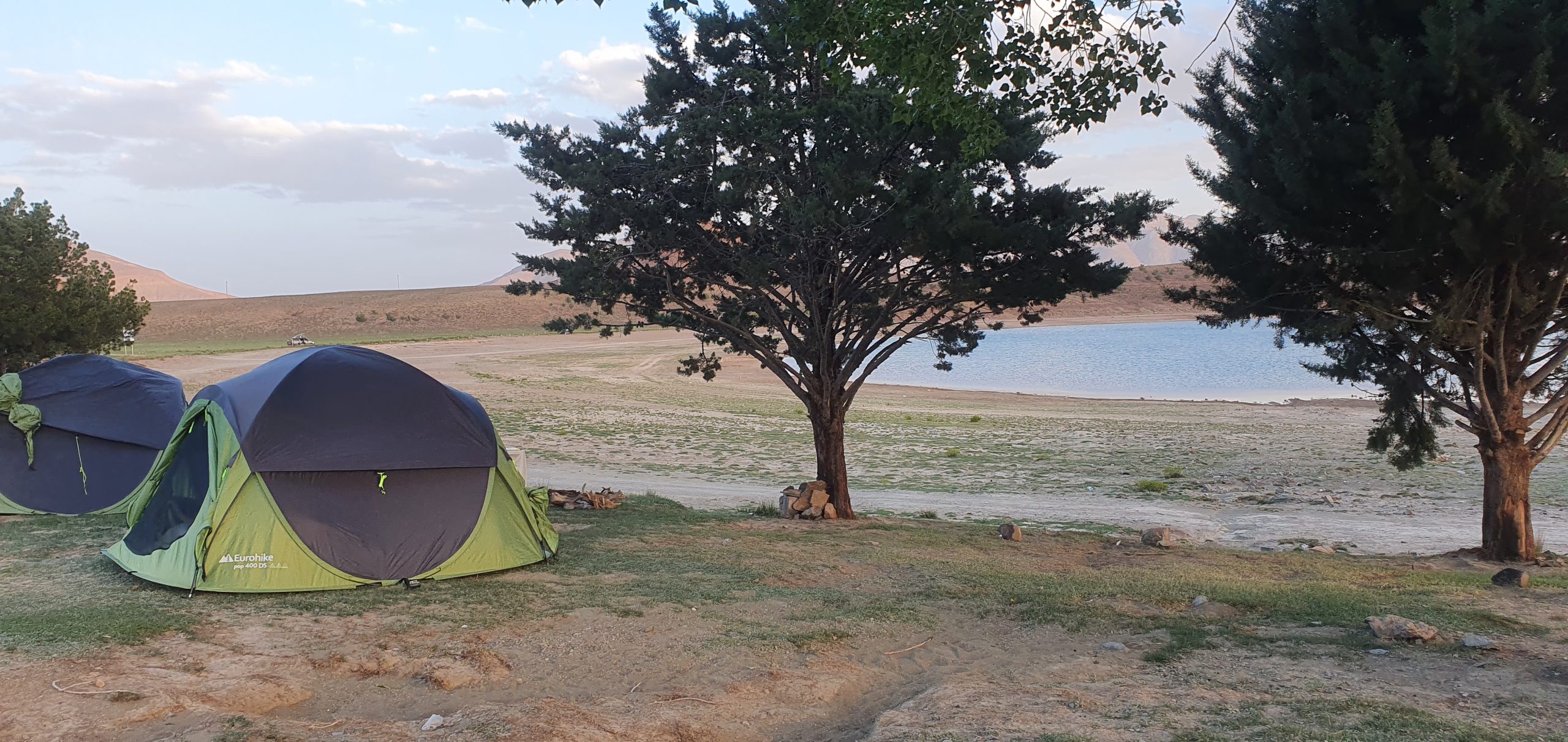
Lake Tislit is the smaller, circular lake surrounded by rocky hills and open pastures.
Highlights for travelers:
- Easy access from Imilchil.
- Calm landscapes for walking and photography.
- Ideal for sunrise and sunset views.
- Close to Ait Hdidou villages.
- Important symbol during the Marriage Festival.
3. Lake Isli – The Groom’s Lake
Located deeper in the mountains, Lake Isli is larger and more dramatic.
Why visit:
- Impressive panoramic views.
- High-altitude solitude far from crowds.
- Clear blue water fed by snowmelt.
- A perfect stop for nature lovers and 4×4 adventures.
A dirt road connects both lakes, and during summer it is passable with a normal car.
The surrounding landscape is wild, peaceful, and perfect for travelers who love remote nature.
4. The Imilchil Marriage Festival (19–21 September)
A Celebration of Love, Culture & Amazigh Identity
The Imilchil Marriage Festival, also known as the
Ait Hdidou Betrothal Festival or Souk Aam,
takes place every year in mid-September.
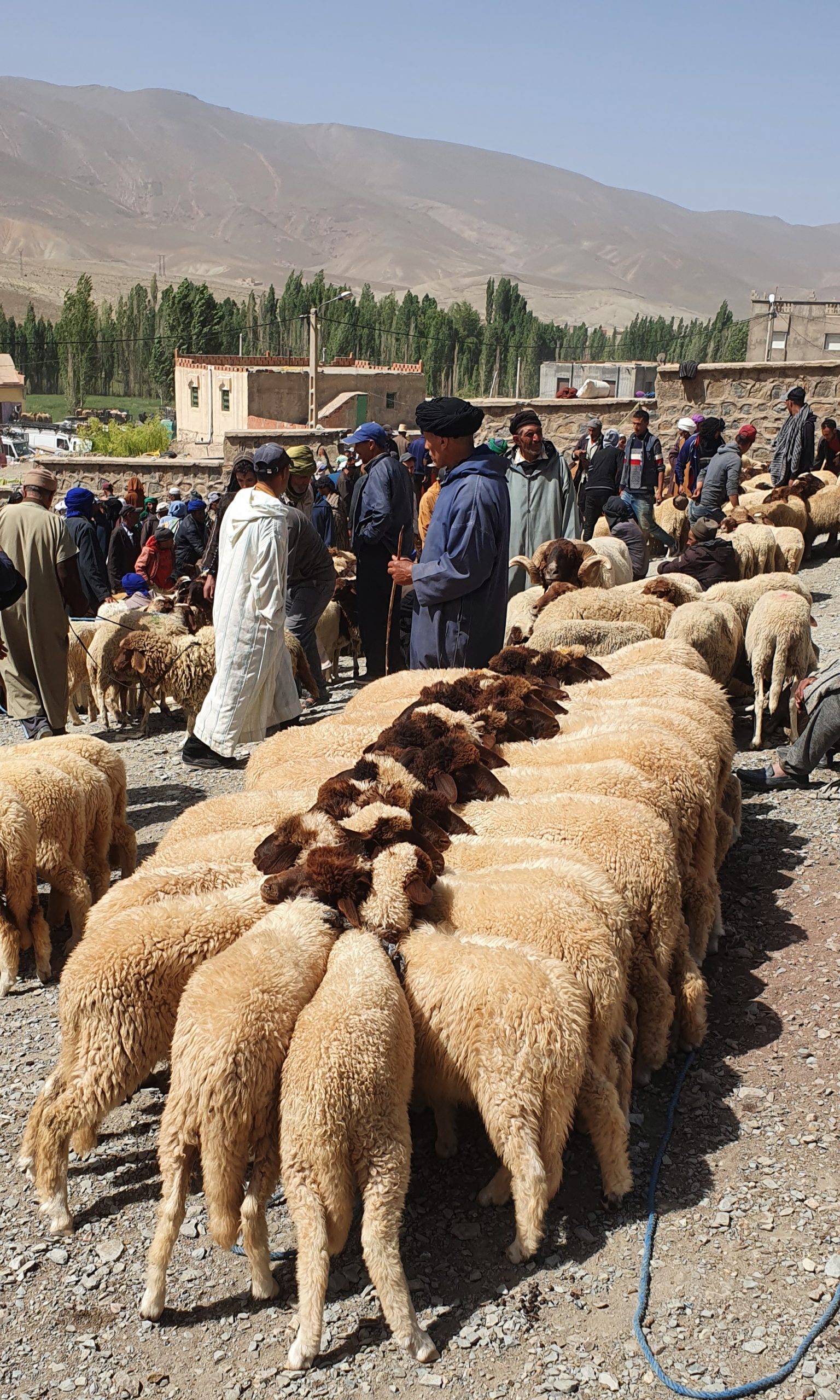
This is not a tourist show — it is a real gathering of tribes from the surrounding mountain regions,
where families meet, trade, and celebrate.
What travelers can experience:
- Traditional Amazigh music & dancing (Ahidous).
- Women dressed in colorful Amazigh clothing & silver jewelry.
- Local markets with spices, carpets, wool, crafts, and livestock.
- Meetings between families and tribal elders.
- Observing traditional marriage agreements.
- Camel shows and horse parades.
- Authentic mountain food and tea ceremonies.
The festival blends celebration, heritage, and community, making it one of the most unique
cultural events in Morocco.
5. Ait Hdidou Villages — Living Berber Heritage
Our tours go beyond Imilchil to explore the ancient villages of the Ait Hdidou tribe.
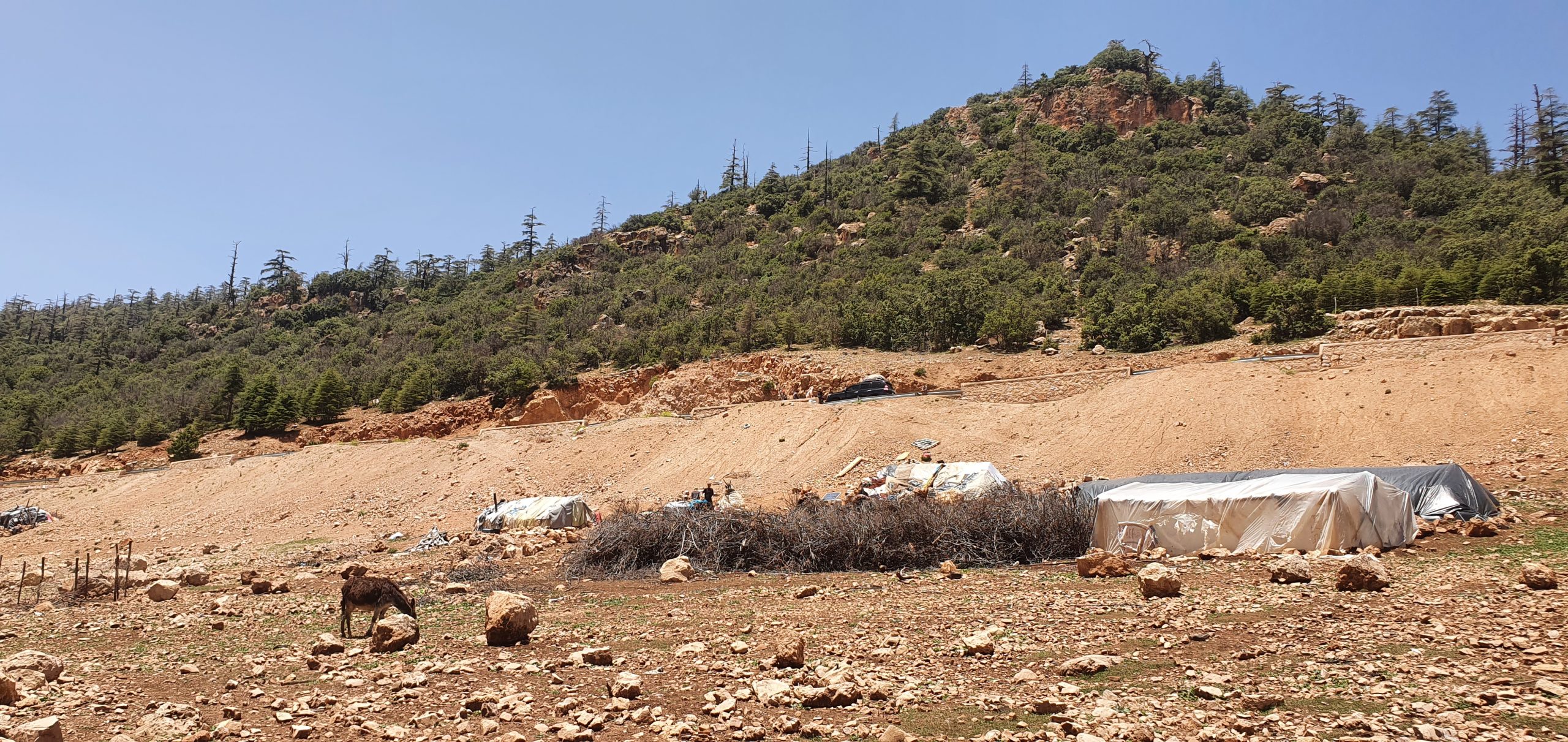
These communities live between 2,000–2,600 meters, surrounded by mountains and pastures.
What you’ll encounter:
- Stone houses built in traditional architectural style.
- Shepherd life and seasonal pastoralism.
- Nomadic families living in tents.
- Local women weaving carpets and crafting Amazigh jewelry.
- Collective granaries and sacred tribal sites.
This region is one of Morocco’s last untouched cultural landscapes.
6. When to Visit Imilchil
- Best time: May to October.
- Marriage Festival: 19–21 September.
- Winter: Cold and snowy, best avoided unless experienced with mountain travel.
7. Tours We Offer to Imilchil & Ait Hdidou Region
We organize custom cultural tours for travelers looking for authentic experiences.
Our Imilchil tours include:
- Transportation from Marrakech, Fes, Ouarzazate, or Dades.
- Visits to Tislit & Isli Lakes.
- Guided cultural walks in Ait Hdidou villages.
- Festival experience (19–21 September).
- Local family lunch or tea ceremony.
- Photography stops in canyons and mountain passes.
“Amazigh Symbolic Marriage Ceremony”
Amazigh Traditional Marriage Experience for Adult Travelers
Alongside our cultural tours to Imilchil, Ait Hdidou villages, and the legendary lakes of Tislit and Isli,
our travel company also offers a unique Amazigh marriage experience designed exclusively for adult
travelers seeking deep cultural immersion.
⭐ A Once-in-a-Lifetime Amazigh Cultural Ceremony
For adult couples visiting Morocco, we can arrange a symbolic Amazigh (Berber) marriage celebration,
inspired by the ancestral traditions of the Atlas Mountains.
This is not a legal marriage, but a cultural ceremony created to honor Amazigh heritage, love,
connection, and storytelling — perfect for:
- Adult honeymoon trips.
- Renewal of vows.
- Cultural travelers seeking an unforgettable experience.
What the Amazigh Celebration Includes for Adult Participants
Our symbolic ceremonies allow couples to step into the rich culture of the High Atlas:
1. Amazigh Wedding Clothing
Adults can dress in traditional Amazigh outfits from the Ait Hdidou and neighboring tribes:
- Embroidered dresses.
- Beautiful woven belts.
- Traditional capes.
- Silver Amazigh jewelry and fibulas.
These garments represent purity, protection, and blessing.
2. Ahidous Celebration
The ceremony features Ahidous, the traditional Amazigh collective dance performed by local women and men.
The rhythmic chants, drums, and circle formation symbolize unity and harmony in Amazigh culture.
3. Henna Ceremony
Amazigh women apply natural henna on the bride’s (adult traveler’s) hands as a symbol of joy, blessing, beauty,
and protection.
4. Symbolic Vow Ritual
Adult couples can participate in a traditional “Tadist” blessing — guided by local elders — representing union,
friendship, and ancestral wisdom.
5. Meet Local Families
Travelers share tea and local meals with Ait Hdidou families, learning about marriage traditions, music, storytelling,
and the meaning of community life in the High Atlas.
6. Professional Photography
We capture the ceremony among mountains, lakes, or Ait Hdidou architecture — creating unforgettable memories of a
symbolic Amazigh celebration.